Empower Your Team, Protect Your Business – With MANXPOWER
Fire emergencies can happen without warning, whether in an office, warehouse, factory, retail store, or construction site. When they do, employees have only seconds to react. Those first moments often determine whether a small incident is quickly contained or turns into a serious emergency.
That’s why fire safety training is one of the smartest investments any business can make. It equips employees with the knowledge and confidence to prevent fires, respond effectively during emergencies, and protect lives, property, and business operations. Beyond meeting legal requirements, regular training helps build a workplace where safety becomes part of everyday culture rather than an annual compliance exercise.
In this guide, we’ll explain what fire safety training involves, why it matters, how businesses can identify workplace fire risks, and how the right fire protection equipment from MANXPOWER supports a safer and more resilient workplace.
Key Takeaways:
- Fire safety training prepares employees to respond calmly during emergencies.
- Regular training reduces injuries, property damage, and operational downtime.
- Fire risk assessments help identify hazards before incidents occur.
- Employees should know evacuation procedures and fire extinguisher basics.
- Training works best when supported by reliable fire protection equipment.
What Is Fire Safety Training?
Fire safety training is a structured program that teaches employees how to prevent fires, recognize hazards, and respond safely if a fire occurs. It combines theoretical knowledge with practical exercises to ensure employees understand both prevention and emergency response.
A comprehensive training program typically covers:
- Common causes of workplace fires
- Fire prevention techniques
- Fire hazard identification
- Emergency evacuation procedures
- Safe use of fire extinguishers
- Fire classifications
- Emergency communication
- Basic first aid for burns and smoke inhalation
Hands-on practice is an essential part of effective training. Employees should participate in evacuation drills and extinguisher demonstrations so they can respond confidently during a real emergency.
Fire safety training should also be included in every new employee’s induction and reinforced through regular refresher sessions and workplace drills.
Suggested Read: Fire Extinguishing Agents Explained
Why Fire Safety Training Matters
Every workplace faces some degree of fire risk. Electrical equipment, machinery, combustible materials, heating systems, kitchens, and flammable chemicals all have the potential to start a fire if they are not properly managed.
Without proper training, employees may panic or make unsafe decisions during an emergency. Training replaces uncertainty with preparation and helps everyone understand exactly how to respond.
Protecting Lives
The primary goal of fire safety training is protecting people.
Employees who understand evacuation procedures, emergency exits, and assembly points are far more likely to remain calm and evacuate safely. Training also prepares them to assist visitors, contractors, and colleagues who may need additional support during an emergency.
Faster Emergency Response
Quick action can significantly reduce the impact of a workplace fire.
Employees who receive regular training are more likely to:
- Identify fire hazards early
- Raise the alarm immediately
- Follow designated evacuation routes
- Use fire extinguishers safely when appropriate
- Support an orderly evacuation
- Communicate effectively with emergency responders
An organized response helps reduce injuries, confusion, and property damage.
Protecting Property and Business Operations
Fire incidents often begin as small, manageable events.
When employees recognize hazards early and know how to respond safely, businesses are better positioned to limit damage to:
- Buildings
- Machinery
- Inventory
- Documents
- Critical infrastructure
Proper training also supports business continuity by reducing downtime, speeding up recovery, and minimizing financial losses after an incident.
Supporting Compliance
Fire safety training also helps businesses meet workplace safety requirements.
Depending on the industry and location, organizations may be required to:
- Conduct employee fire safety training
- Perform regular fire drills
- Maintain fire protection equipment
- Document inspections and emergency procedures
Maintaining a structured fire safety program not only helps during inspections but also demonstrates an organization’s commitment to protecting employees and visitors.
Understanding Fire Risks in the Workplace
Effective fire prevention begins with understanding how fires start.
Although every industry faces unique challenges, many workplace fires result from hazards that are entirely preventable.
Common Causes of Workplace Fires
Some of the most common causes include:
- Faulty electrical wiring
- Overloaded power outlets
- Damaged extension cords
- Poor housekeeping
- Improper storage of flammable liquids
- Gas leaks
- Overheated machinery
- Sparks during maintenance work
- Smoking in restricted areas
- Unattended cooking equipment
- Accumulated combustible waste
Routine inspections and employee awareness are essential for identifying these hazards before they become emergencies.
Understanding Fire Classifications
Different fires require different extinguishing methods. Using the wrong extinguisher can make a fire worse or create additional hazards.
Under Indian Standard IS 2190, workplace fires are classified as:
- Class A: Ordinary combustible materials such as wood, paper, cloth, rubber, and plastics.
- Class B: Flammable liquids including petrol, diesel, paints, and solvents.
- Class C: Flammable gases such as LPG and propane.
- Class D: Combustible metals including magnesium and sodium.
- Class F: Cooking oils and fats found in commercial kitchens.
Electrical fires often cause confusion. Under Indian standards, they do not have a separate fire classification. Instead, they are classified according to the burning material. However, energized electrical equipment should only be tackled with non-conductive extinguishing agents such as CO₂ or ABC Dry Powder extinguishers. Water and foam extinguishers should never be used on live electrical equipment.
Conducting a Fire Risk Assessment
A fire risk assessment helps businesses identify hazards before they become serious incidents.
A typical assessment should include:
- Identifying potential ignition sources
- Locating combustible materials
- Reviewing existing fire protection systems
- Inspecting emergency exits and evacuation routes
- Identifying people who may require evacuation assistance
- Recording findings and implementing corrective actions
Risk assessments should be reviewed regularly, particularly after renovations, equipment upgrades, or operational changes.
Identifying Everyday Fire Hazards
Many fire hazards develop gradually during normal business operations and are easily overlooked.
Common examples include:
- Blocked emergency exits
- Fire doors held open
- Damaged electrical cables
- Permanently overloaded extension cords
- Flammable materials stored near heat sources
- Obstructed fire extinguishers
- Clutter around electrical panels
- Excess combustible waste
Encouraging employees to report hazards immediately helps prevent small problems from developing into serious emergencies.
A strong fire safety culture depends on everyone’s participation, not just the responsibilities of managers or safety officers.
Core Elements of an Effective Fire Safety Training Program
A successful fire safety program combines knowledge with practical experience. Employees should not only understand emergency procedures but also have opportunities to practice them through drills and demonstrations.
Every workplace training program should include:
- Fire prevention and hazard awareness
- Emergency evacuation procedures
- Fire extinguisher training
- Fire warden responsibilities
- Emergency communication
- Basic first aid
- Regular refresher training
Practical training builds confidence and ensures employees are prepared to respond calmly when every second counts.
Fire Prevention and Hazard Awareness
The most effective way to deal with a fire is to prevent it from happening in the first place. Fire prevention should be part of every employee’s daily routine, not just something discussed during annual training sessions.
Employees should be trained to recognize potential hazards and report them before they become serious risks. Good fire prevention practices include:
- Using electrical equipment correctly
- Avoiding overloaded sockets and extension cords
- Storing flammable materials safely
- Keeping work areas clean and free from combustible waste
- Ensuring fire exits remain clear at all times
- Reporting damaged wiring, gas leaks, or faulty equipment immediately
When everyone takes responsibility for workplace safety, businesses can significantly reduce the likelihood of fire-related incidents.
Evacuation Procedures and Emergency Exit Routes
Knowing how to evacuate safely is one of the most important parts of fire safety training.
Employees should never have to guess where to go or what to do when an alarm sounds. Every workplace should have clearly marked escape routes, designated assembly points, and documented emergency procedures.
Training should ensure employees know how to:
- Recognize fire alarm signals
- Follow the nearest safe exit
- Avoid using elevators during a fire
- Help visitors or colleagues who may need assistance
- Assemble at the designated meeting point
- Wait for official instructions before returning to the building
Regular evacuation drills reinforce these procedures and help identify any weaknesses in the emergency plan before a real incident occurs.
The Role of Fire Wardens
Fire wardens, sometimes called fire marshals, play a key role during workplace emergencies.
These individuals receive additional training and help coordinate evacuations, ensuring everyone leaves the building safely and efficiently.
Typical responsibilities include:
- Directing employees toward emergency exits
- Checking assigned areas during an evacuation
- Assisting individuals who require additional support
- Conducting headcounts at assembly points
- Reporting missing persons to emergency responders
- Preventing unauthorized re-entry into the building
Large offices, factories, warehouses, and commercial facilities should appoint trained fire wardens for each floor or operational area.
Fire Extinguisher Training and the PASS Technique
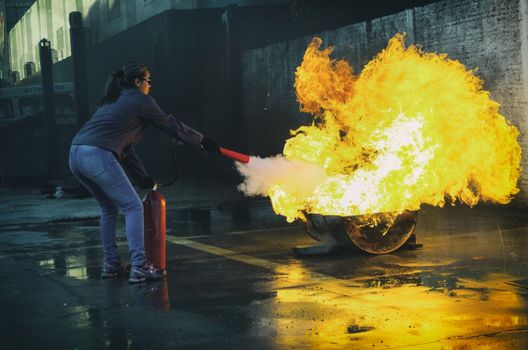
Fire extinguishers can stop a small fire from spreading—but only if employees know how and when to use them.
Training should emphasize that extinguishers should only be used when:
- The fire is small and contained.
- The correct extinguisher is available.
- There is a clear escape route.
- Employees have been trained to use the equipment safely.
The internationally recognized PASS technique provides a simple method for operating most portable fire extinguishers:
- Pull the safety pin.
- Aim the nozzle at the base of the fire.
- Squeeze the operating handle.
- Sweep the nozzle from side to side until the fire is extinguished.
Hands-on demonstrations help employees build confidence and reduce hesitation during emergencies.
Suggested Read: Types of Fire Extinguishers and Their Applications
Choosing the Right Fire Extinguisher
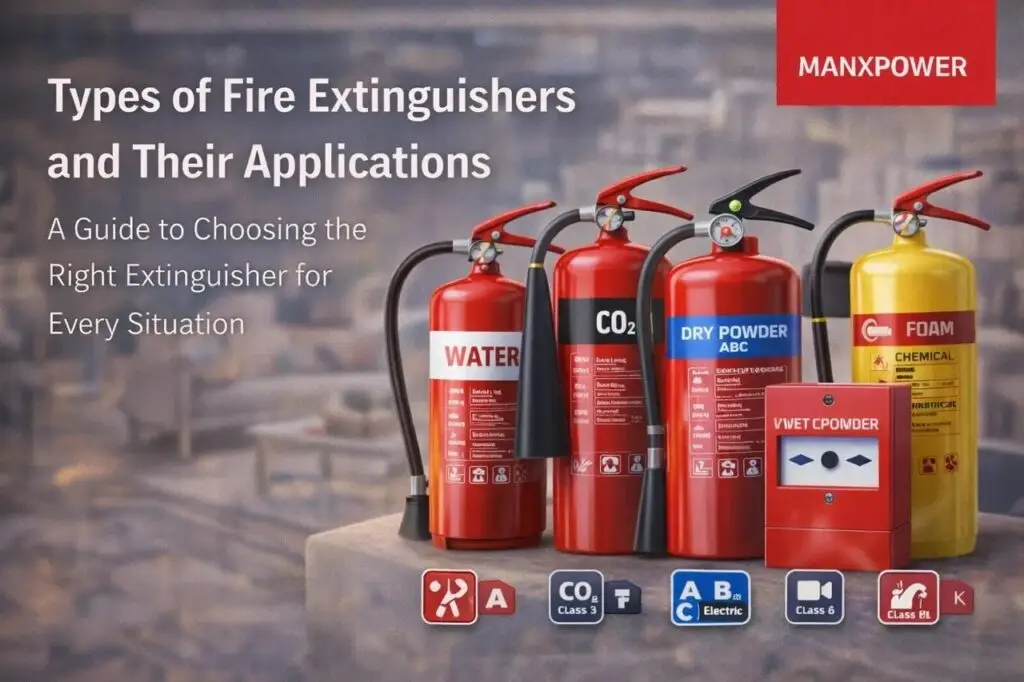
Understanding different types of fire extinguishers is essential because using the wrong extinguisher can make a fire worse.
Employees should know the basic applications of common extinguishers:
- Water extinguishers for ordinary combustible materials such as wood and paper.
- Foam extinguishers for certain Class A and Class B fires.
- CO₂ extinguishers for energized electrical equipment and flammable liquids.
- ABC Dry Powder extinguishers for Class A, B, and C fires, making them suitable for many workplaces.
- Specialized extinguishers for combustible metals and commercial kitchen fires where required.
Regular inspection and maintenance are just as important as selecting the correct extinguisher.
Emergency Communication and Basic First Aid
During a fire emergency, clear communication helps emergency responders act quickly and effectively.
Employees should know how to:
- Activate the nearest fire alarm
- Notify supervisors immediately
- Contact the local fire service
- Report the location of the fire
- Inform responders if anyone remains inside the building
Fire safety training should also introduce employees to basic first aid procedures, including:
- Cooling minor burns with clean running water
- Avoiding creams, oils, or home remedies
- Moving individuals affected by smoke into fresh air if it is safe
- Seeking immediate medical attention for serious burns or smoke inhalation
First aid should only be provided within the employee’s level of training.
Suggested Read: How Fire Alarm Panels Work
How Often Should Fire Safety Training Be Conducted?
Fire safety is not a one-time activity. Skills and procedures should be reinforced regularly to ensure employees remain prepared.
Businesses should:
- Include fire safety training during employee onboarding
- Conduct refresher training at least once every year
- Organize regular fire drills throughout the year
- Update training whenever significant workplace changes occur
Higher-risk industries, such as manufacturing, warehousing, laboratories, and chemical processing facilities, often require more frequent drills and specialized emergency response training.
Fire Safety Compliance Checklist
Businesses should regularly review their fire safety arrangements to ensure they remain compliant and prepared.
A practical checklist includes:
- Fire risk assessment completed
- Fire extinguishers correctly installed
- Fire extinguishers inspected and serviced
- Smoke detectors and fire alarms tested
- Emergency lighting operational
- Fire exits clearly marked and unobstructed
- Evacuation plans displayed
- Assembly points communicated
- Fire wardens appointed
- Employees trained
- Fire drills conducted regularly
- Emergency contact numbers displayed
- Fire protection equipment maintained according to applicable standards
Regular inspections help identify potential problems before they become serious safety risks.
Suggested Read: Fire Safety Compliance in India
How MANXPOWER Supports Workplace Fire Safety
Employee training is only one part of an effective fire protection strategy. Businesses also need dependable equipment that performs when it matters most.
MANXPOWER offers a complete range of certified fire protection solutions designed for commercial, industrial, institutional, and residential applications.
Our product range includes:
- ABC Dry Powder Fire Extinguishers
- CO₂ Fire Extinguishers
- Water Fire Extinguishers
- Foam Fire Extinguishers
- Fire Hose Reels
- Automatic Sprinkler Systems
- Smoke Detectors
- Heat Detectors
- Fire Alarm Control Panels
- Fire Hose Accessories and Industrial Fire Protection Components
Our products are designed to meet relevant quality standards while delivering reliable performance in demanding environments.
Whether you’re setting up a new facility or upgrading an existing workplace, MANXPOWER provides solutions that help improve safety, support compliance, and strengthen emergency preparedness.
Benefits of Combining Training with Quality Equipment
Businesses that invest in both employee training and certified fire protection equipment are better prepared to prevent and respond to workplace emergencies.
Some of the key benefits include:
- Improved workplace safety
- Faster emergency response
- Reduced property damage
- Lower operational downtime
- Better regulatory compliance
- Increased employee confidence
- Stronger business continuity planning
When employees have both the knowledge and the right equipment, they are better equipped to respond effectively while minimizing risks to people and property.
Conclusion
Fire emergencies cannot always be prevented, but businesses can significantly reduce their impact through preparation.
A well-designed fire safety training program helps employees identify hazards, respond quickly, and evacuate safely during emergencies. When combined with regular fire drills, routine equipment maintenance, and certified fire protection systems, training becomes the foundation of a safer workplace.
Regardless of your industry or business size, investing in fire safety protects your employees, safeguards valuable assets, supports regulatory compliance, and improves business continuity.
Build a Safer Workplace with MANXPOWER
At MANXPOWER, we are committed to helping businesses create safer working environments through reliable fire protection solutions.
Our comprehensive product range includes fire extinguishers, fire hose reels, sprinkler systems, smoke detectors, heat detectors, fire alarm panels, and other essential fire safety equipment designed to support workplaces of every size.
Whether you’re establishing a new fire safety system or upgrading an existing one, our team can help you choose the right solutions for your facility.
Contact us today to learn more about our fire safety products and customized solutions.
Frequently Asked Questions
What does fire safety training include?
A comprehensive program covers fire prevention, hazard identification, fire classifications, evacuation procedures, fire extinguisher training, emergency communication, fire warden responsibilities, and basic first aid.
Is fire safety training mandatory in India?
Yes. Most commercial and industrial establishments must comply with applicable fire safety regulations and workplace safety requirements. The exact requirements depend on the industry, building type, and local regulations.
How often should employees receive fire safety training?
Employees should receive training during onboarding, annual refresher sessions, regular fire drills, and additional training whenever significant workplace changes occur.
Which fire extinguisher should be used for electrical fires?
Under Indian standards, electrical fires do not have a separate fire classification. However, energized electrical equipment should only be tackled using non-conductive extinguishing agents such as CO₂ or ABC Dry Powder extinguishers.
Why are regular fire drills important?
Fire drills allow employees to practice evacuation procedures, improve emergency response, identify weaknesses in safety plans, and build confidence before a real emergency occurs.