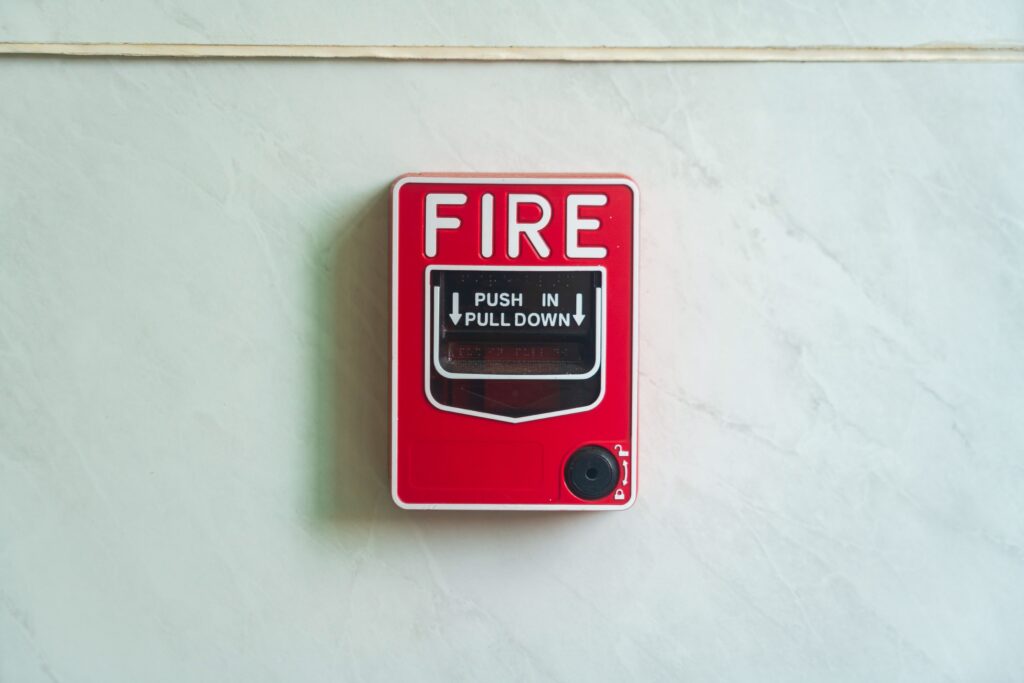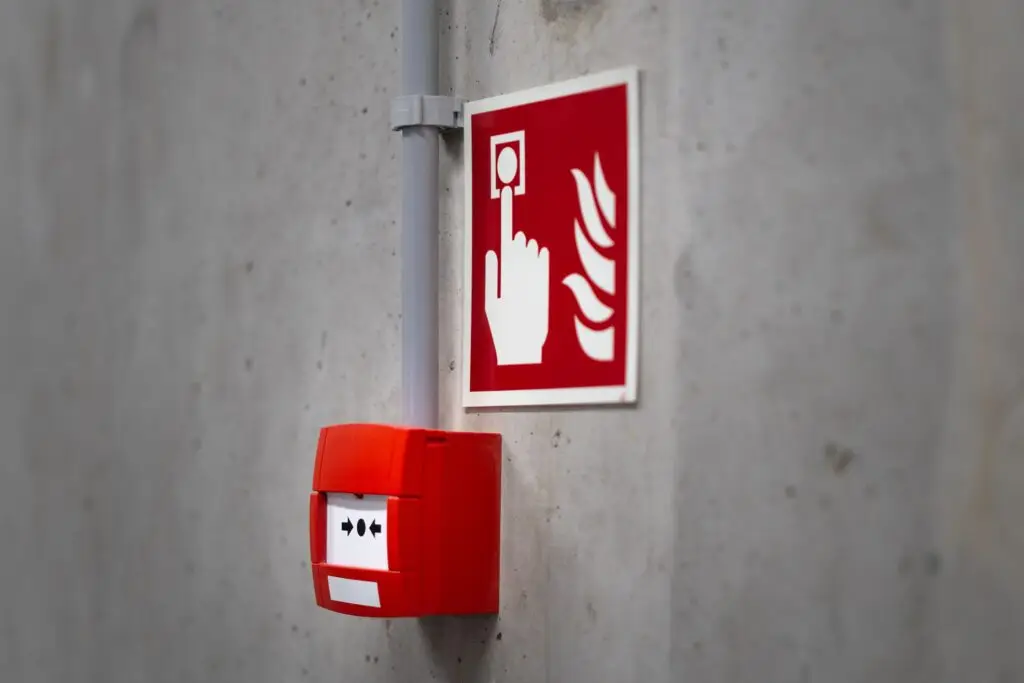
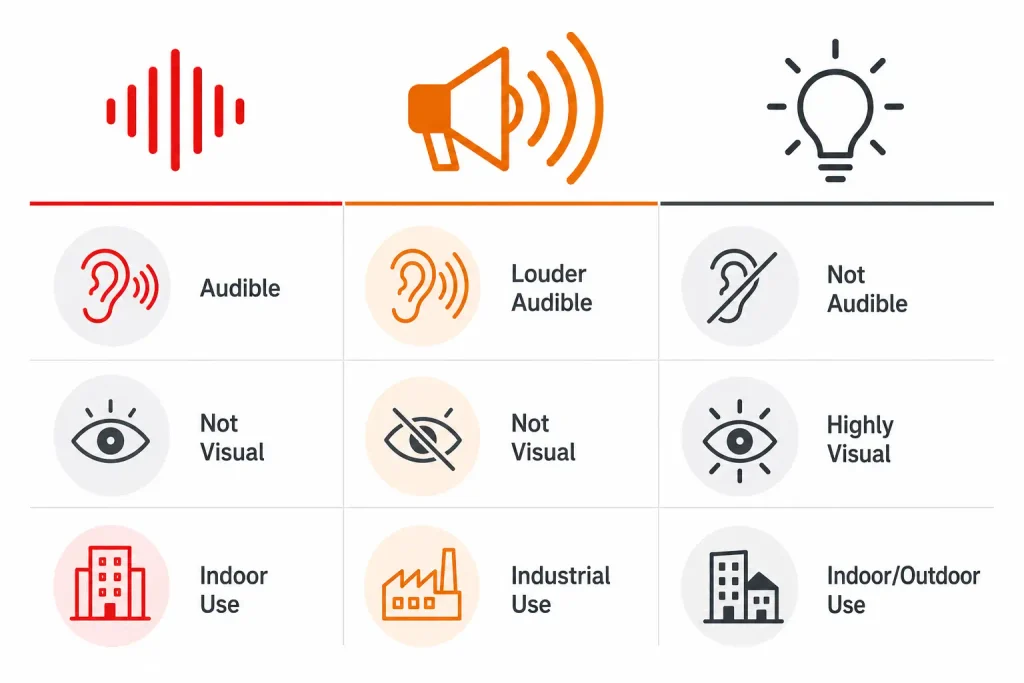
A fire alarm hooter is an audible-only notification device, a siren is a higher-output audible device typically used in larger or noisier facilities, and a strobe is a visual-only device using flashing light to alert occupants who may not hear an audible signal. Choosing between a fire alarm hooter vs siren vs strobe — or combining them — depends on your facility’s noise levels, size, and occupant needs. Getting this choice right isn’t a minor detail; it directly affects whether everyone in a building actually notices an alarm in time to evacuate.
Need help choosing the right fire alarm notification device? Talk to our team.
What Is a Fire Alarm Hooter?
A fire alarm hooter is an audible-only notification device that emits a loud, distinct sound pattern when triggered by a fire alarm control panel, alerting building occupants without any visual signal. In Indian fire safety terminology, “hooter” and “sounder” are often used interchangeably, though internationally “sounder” is the broader technical term and “hooter” is the more common market name.
- Triggered automatically by a connected fire alarm control panel, or manually via a call point
- Produces a continuous or pulsed audible tone depending on the device and system configuration
- Used widely across offices, factories, warehouses, and residential buildings as a baseline notification device
- Works as a standalone unit or as part of a larger conventional fire alarm system
MANXPOWER’s ABS Hooter is an example of a dedicated audible-only notification device built for this exact role.
What Is a Fire Alarm Siren?
A fire alarm siren is an audible notification device generally associated with a louder or more attention-demanding output than a basic hooter, often used where ambient noise levels are higher or where a facility needs a more urgent-sounding alert. The line between “hooter” and “siren” isn’t always sharply defined across manufacturers, but the general distinction is output intensity and use case.
- Common in industrial settings, larger commercial buildings, and facilities with higher background noise
- Some siren units support multiple tone patterns to distinguish alert types (general alarm vs. evacuation, for example)
- Often paired with a visual device in combined units for facilities needing both audible and visual coverage
- Selected based on facility size and how much ambient noise the alert needs to cut through
What Is a Fire Alarm Strobe?
A fire alarm strobe is a visual-only notification device that uses a bright, rapidly flashing LED or xenon light to alert building occupants, designed for environments where an audible-only signal isn’t sufficient. Strobes exist specifically to close the gap that audible-only devices leave behind.
- Essential for accessibility — occupants who are deaf or hard of hearing rely on visual alerts to know an evacuation is underway
- Valuable in high-noise industrial environments where machinery can drown out even a loud siren
- Typically mounted at eye level or ceiling height depending on the space and layout
- Rarely installed as the sole notification method — usually paired with an audible device for full coverage
Hooter vs Siren vs Strobe: Key Differences
The core difference in hooter vs siren vs strobe comes down to signal type: hooters and sirens are both audible devices (differing mainly in output level and typical use case), while a strobe is purely visual. Many facilities use combined audible-visual units — sometimes called a horn strobe or siren-strobe combination — to cover both signal types in a single device.
| Feature | Hooter | Siren | Strobe |
| Primary signal | Audible | Audible | Visual |
| Main purpose | General audible alert | Higher-output audible alert | Visual alert for noisy or accessibility-critical areas |
| Typical applications | Offices, residential buildings, standard commercial spaces | Industrial facilities, larger or noisier buildings | Areas needing accessibility coverage or high-noise environments |
| Suitable environments | Low to moderate ambient noise | Moderate to high ambient noise | Any environment, especially where audible alerts alone are insufficient |
| Visibility | Not applicable | Not applicable | High — designed to be seen from a distance |
| Sound output | Present | Present, generally more prominent | None |
| Visual warning capability | None | None | Primary function |
| Common combination | Sometimes paired with a strobe for full coverage | Frequently combined with a strobe (siren-strobe unit) | Frequently combined with a siren or hooter |
Hooter vs Siren
Both are audible-only devices — the practical difference is output level and typical deployment. A hooter usually serves standard commercial and residential spaces, while a siren is chosen when ambient noise or facility scale demands a more prominent audible signal.
Siren vs Strobe
A siren and a strobe serve entirely different senses — one is heard, the other is seen. They’re not competing options; in facilities with accessibility needs or high background noise, they’re typically installed together rather than as alternatives to each other.
Hooter vs Strobe
The same logic applies here: a hooter alerts through sound, a strobe alerts through sight. In quieter facilities without specific accessibility requirements, a hooter alone may be sufficient. In facilities with hearing-impaired occupants or heavy machinery noise, pairing a hooter with a strobe closes that gap.
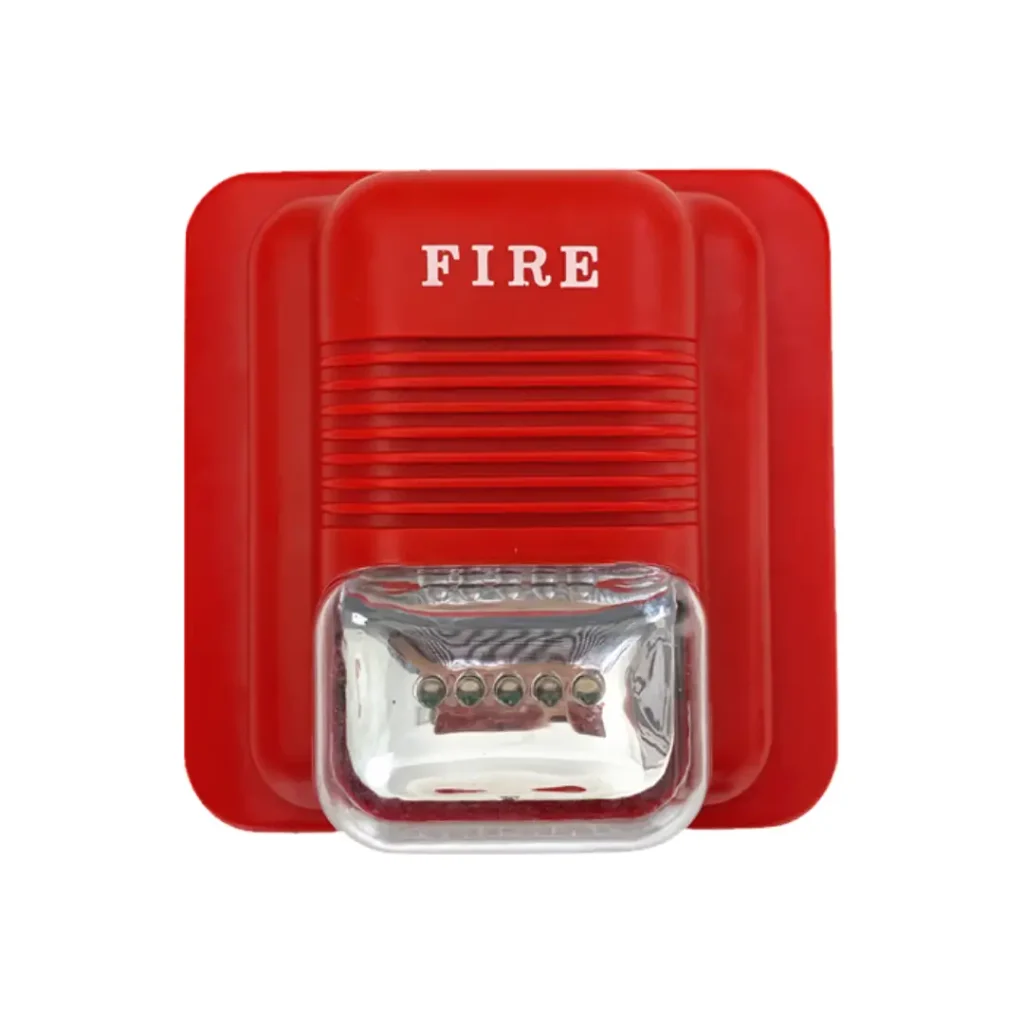
A horn strobe combination device — audible and visual notification in a single unit — is increasingly common where a facility needs both signal types without installing and wiring two separate devices. MANXPOWER’s Fire Strobe Siren is a combined audible-visual device built for exactly this kind of dual-coverage need.
Talk to our team about combining audible and visual devices for your facility layout — reach us here.
Why Are Fire Alarm Hooters and Strobes Essential in Industrial Facilities?
Fire alarm hooters and strobes are especially important in industrial facilities because heavy machinery noise can drown out audible-only alerts, while large, open floor layouts mean visual signals need to be visible from a distance across the space. A notification strategy that works fine in a quiet office often fails in a factory or warehouse environment.
- Machinery noise on active production floors can mask even a loud audible alert
- Workers wearing hearing protection may not register an audible-only signal at all
- Large open warehouse layouts benefit from strobes positioned across multiple zones for visibility
- Combined audible-visual coverage reduces the risk of a missed alert during an actual emergency
Industrial facilities with dense storage and high fire loads carry their own layered fire safety considerations beyond just notification devices — our warehouse fire safety guide covers suppression systems, detection, and compliance requirements for that environment in more depth.
Where Should These Devices Be Installed?
Fire alarm hooters, sirens, and strobes should be positioned so that every occupied area of a building receives a clear, unobstructed signal — audible devices need to reach areas with the highest ambient noise, while strobes need direct line of sight across the space they’re covering. Exact placement requirements can vary by building type, occupancy, and local fire safety regulations, so it’s worth confirming specifics with your fire safety consultant or local authority rather than relying on general guidance alone.
- Audible devices are generally placed where they can be heard clearly above typical background noise for that zone
- Strobes are generally mounted where they have clear visibility across a room or work area, without obstruction from equipment or racking
- Corridors, stairwells, and assembly areas typically need coverage from both device types
- Facilities with distinct noise zones (a quiet office wing vs. a loud production floor) often need different device configurations per zone rather than one blanket approach
How to Choose the Right Fire Alarm Notification Device
Choosing between a hooter, siren, or strobe — or a combination — comes down to your facility’s ambient noise level, building size, and whether occupants have specific accessibility needs that require visual alerting. There’s rarely a single “correct” answer; it’s a matter of matching the device to the environment.
Factors to weigh:
- Ambient noise level — quieter spaces may only need a hooter; louder industrial floors often need a siren or combined unit
- Building size and layout — larger facilities need devices spaced and selected for consistent coverage across every zone
- Occupant needs — any facility with hearing-impaired occupants should include strobe coverage, not audible-only devices
- System compatibility — devices need to integrate correctly with your existing fire alarm control panel and wiring setup
For facilities building out a complete notification setup, MANXPOWER’s Conventional Fire Alarm Systems range shows how hooters, strobes, and combined devices fit into a full system, and the Fire Strobe Siren Eco offers a combined audible-visual option for facilities working within a tighter budget.
Conclusion
Whether you need a hooter, a siren, a strobe, or a combination of all three comes down to your facility’s noise levels, layout, and occupant needs — not a one-size-fits-all answer. Getting the right notification devices in place, correctly positioned and integrated with your fire alarm system, is what turns an alarm into an alert people actually notice in time.
Ready to plan your facility’s fire alarm notification devices? Contact our team on WhatsApp and we’ll help you choose the right setup.
FAQs
What is the difference between a hooter, siren, and strobe?
A hooter and a siren are both audible devices, differing mainly in output level and typical use case, while a strobe is a visual-only device using flashing light. Facilities often combine an audible device with a strobe for full coverage.
Is a hooter the same as a siren?
Not exactly. Both are audible-only devices, but a siren is generally associated with a louder, more prominent output suited to larger or noisier facilities, while a hooter is more common in standard commercial and residential settings.
What is a horn strobe combination?
A horn strobe combination is a single device that provides both audible and visual notification, combining a sounder or siren with a strobe light. It’s commonly used where a facility needs both signal types without installing two separate devices.
Why are hooters and strobes used together?
Hooters and strobes are used together to cover both audible and visual notification, ensuring the alarm is noticed whether occupants can hear it clearly or need a visual signal due to noise levels or hearing impairment.
What is the difference between a fire alarm sounder and a fire alarm strobe?
A fire alarm sounder (often called a hooter in Indian usage) is an audible-only device, while a strobe is a visual-only device using flashing light. They serve different senses and are frequently installed together for complete coverage.
Where should fire alarm hooters and strobes be installed in an industrial building?
They should be positioned so audible devices reach areas with high ambient noise and strobes have clear, unobstructed visibility across the space. Exact placement should be confirmed with a fire safety consultant based on your building’s layout and local regulations.
Are fire alarm strobes required by law in industrial buildings?
Requirements vary by jurisdiction, building type, and occupancy, so it’s important to confirm specific obligations with local fire safety authorities or a certified consultant rather than assuming a blanket rule applies to every facility.
What are the four types of fire alarms?
This typically refers to fire alarm system types (such as conventional, addressable, wireless, and hybrid systems) rather than notification devices like hooters, sirens, and strobes, which are components within those systems.